 The Concussion Hub
A knock to the head: what to do
Four steps, in order.
1. Is there an emergency sign?
Just one of these signs? Call emergency services.
- Neck pain or tenderness
- Seizure or convulsion
- Loss of vision or double vision
- Loss of consciousness
- Increasing confusion, or becoming drowsy or less responsive
- Repeated vomiting
- Severe headache, or a headache that keeps getting worse
- Weakness, numbness or tingling in more than one arm or leg
- Increasingly restless, agitated or aggressive
- Visible deformity of the skull
Based on the CRT6 (Concussion in Sport Group, 2023).
While you wait for help
- Check for danger, and check that the person is breathing
- Do not move them, except to keep their airway clear
- Do not remove a helmet or other protective equipment
- Always keep a possible neck injury in mind
Source: first aid reminders from the CRT6 (Concussion in Sport Group, 2023).
2. What should you do in the first minutes?
Do
Do not
- Let the person go back to play
- Give them medication without advice from a doctor or pharmacist
- Play it down: “it’s nothing, it will pass”
- Let them drive
The 3 Rs, in 3 lines
- R
Recognise. One sign is enough to suspect a concussion.
- R
Report. Say it straight away and stop playing. No return to play the same day.
- R
Recover. Go back step by step: school or work first, sport second.
How to recognise a concussion
Which signs can you see from the outside?
- Loss of consciousness or responsiveness
- Lying still on the ground
- Falling without protecting themselves
- Disorientation, confusion, a blank stare
- Slow to get up after a knock to the head
- Unsteady on their feet, balance problems, poor coordination
- Facial injury
- Seizure or convulsion
Source: visible signs from the CRT6 (Concussion in Sport Group, 2023).
Which questions should you ask?
Any wrong answer or hesitation is a reason to suspect a concussion.
- “What day is it today?”
- “Where are we right now?”
- “Who scored last in this match?”
- “Which team did you play last week?”
- “Did your team win its last match?”
- “Which half (or period) are we in?”
- “How do you feel? Does your head hurt?”
Adapt the questions to the person’s age and sport. With a child, ask for example their teacher’s name, or what they ate at their last meal.
Source: based on the CRT6 (Concussion in Sport Group, 2023).
Which symptoms should you watch for?
One is enough. They can appear straight away, or in the minutes, hours or even days that follow.
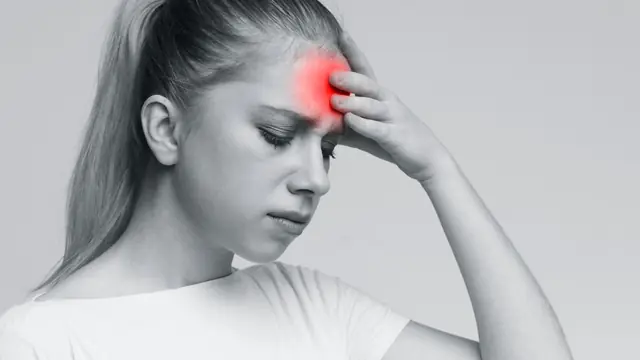
In the body
- Headache, “pressure in the head”
- Balance problems, dizziness
- Nausea or vomiting
- Drowsiness, fatigue
- Blurred vision
- Sensitivity to light or noise
- Neck pain

In thinking
- Difficulty concentrating
- Difficulty remembering
- Feeling slowed down
- Feeling “in a fog”
- “Not feeling right”

In emotions and sleep
- More emotional or more irritable than usual
- Sadness
- Nervousness or anxiety
- Sleeping more, sleeping less, or sleeping badly
Important. These signs are not enough to make a diagnosis. Only a healthcare professional can confirm a concussion.
Source: symptoms from the CRT6 (Concussion in Sport Group, 2023); when they appear: Amsterdam 2022 consensus statement (BJSM, 2023).
3. What should you do in the first 24 to 48 hours?
Do
The person must not
- Be left alone for at least the first 3 hours
- Go home alone: always with a responsible adult
- Drink alcohol, or take recreational drugs or medication that has not been prescribed
- Drive until a healthcare professional says they can
Source: CRT6 (Concussion in Sport Group, 2023).
Source: relative rest, screens and gentle walking: Amsterdam 2022 consensus statement (BJSM, 2023).
4. And after that, how do you get back to normal?
- School or work first, sport second.
- Move forward step by step, guided by symptoms.
- No return to play the same day. Before any activity with a risk of a knock to the head, a doctor must give the go-ahead.
How can you keep these steps to hand?
Print this page
The 4 steps, with boxes to tick.
Parent checklist
One page to print and keep at home.
Open the PDF3 Rs poster
The 3 reflexes and the 10 signs, for the changing room wall.
Open the PDFWhere does this advice come from?
From the CRT6, the Concussion Recognition Tool of the Concussion in Sport Group, designed for people with no medical training, and from the Amsterdam 2022 international consensus statement. Their signs and advice are given here in our own words. The CRT6 is not a diagnostic tool.